Choosing the right type of tiles for your home or office can significantly impact the overall aesthetic and functionality of your space. In the realm of Interior Design, Home Improvement, the choice often boils down to Terrazzo Tiles and Ceramic Tiles. Each option has its unique appeal and advantages, but which one truly enhances aesthetic value? This article delves into the characteristics of both, exploring their timeless beauty, versatility, durability, maintenance, and cost considerations to help you make an informed decision. We’ll also highlight how factors like Color Theory, Space Planning, and Conceptual Rendering influence tile selection.
Terrazzo Tiles: A Timeless Aesthetic Choice
Terrazzo Tiles have been a staple in architecture and interior design for centuries. Known for their durability and unique patterns, these tiles are composed of marble, quartz, granite, or glass chips set in a binder. The binder can be cement or resin, depending on the desired finish. Recently, Terrazzo Tiles have gained popularity for their ability to create stunning hardscape features that complement a wide range of design styles. According to a Terrazzo Tiles study by Zia Tile, Terrazzo Tiles are favored by designers for their sustainability and ability to integrate seamlessly into modern designs.
Additionally, Terrazzo Tiles can be customized to fit specific design briefs, allowing for a versatile approach to interior design. Whether used in residential or commercial spaces, they provide a luxurious feel that is unmatched by many other materials. The integration of Terrazzo Tiles into a well-thought-out mood board can elevate the design concept, offering both aesthetic appeal and durability.
Ceramic Tiles: Versatility Meets Contemporary Design
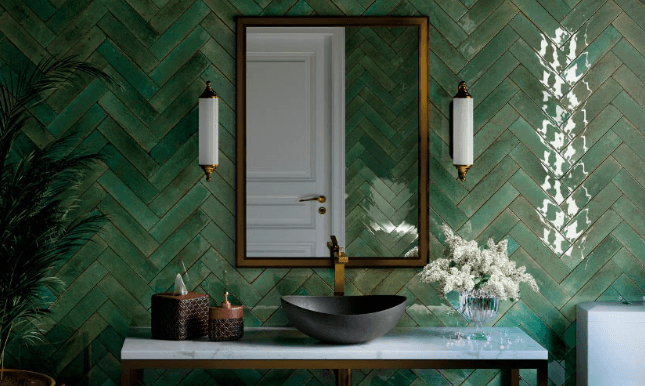
Ceramic Tiles are celebrated for their versatility in both form and function. Made from clay that is shaped and fired at high temperatures, these tiles can be glazed or unglazed, depending on the desired effect. Ceramic Tiles are often chosen for their wide range of colors and finishes, making them ideal for implementing Color Theory in design projects. Their adaptability allows them to fit perfectly into various Space Planning strategies, whether for a minimalist or eclectic design.
Moreover, Ceramic Tiles are frequently used in schematic design stages due to their ability to mimic other materials like wood or stone, offering a cost-effective alternative for homeowners and designers alike. Recent research from ArchDaily highlights Ceramic Tiles as a popular choice in contemporary design due to their affordability and ease of installation.
Comparing Durability and Maintenance of Terrazzo and Ceramic Tiles
When considering durability, Terrazzo Tiles are renowned for their longevity and resistance to wear and tear. These tiles are often used in high-traffic areas, where their robustness is put to the test. Terrazzo’s unique composition allows it to withstand heavy foot traffic without losing its aesthetic charm, making it a preferred choice for commercial spaces.
Ceramic Tiles, while durable, are generally more susceptible to chipping and cracking in high-impact areas. However, their ease of maintenance makes them a favorite for residential applications. Regular cleaning and occasional resealing can keep Ceramic Tiles looking new for years. A thorough site analysis before installation can help determine the suitability of Ceramic Tiles in specific environments.
Cost Considerations and Value for Money in Tile Selection
In terms of cost, Ceramic Tiles typically offer a more budget-friendly option compared to Terrazzo Tiles. This makes them accessible for a wider range of projects, particularly those with tighter budgets. However, when considering long-term value, Terrazzo Tiles may offer a better return on investment due to their durability and unique aesthetic appeal.
While Terrazzo Tiles require a higher initial investment, their resilience and timeless beauty can enhance property value, making them a wise choice for projects aiming for LEED Certification or high-end finishes. The finish schedule for Terrazzo can be tailored to suit specific design needs, providing a bespoke solution that adds significant aesthetic value.
Conclusion
Ultimately, the choice between Terrazzo Tiles and Ceramic Tiles depends on your specific design goals and budget considerations. Terrazzo Tiles offer a timeless, durable option that can enhance any space’s aesthetic value with their unique patterns and sustainability. On the other hand, Ceramic Tiles provide versatility and contemporary appeal at a more accessible price point. For those looking to prioritize long-term value and design integrity, Terrazzo Tiles may be the ideal choice.