Efficient tobacco processing depends on accurate preparation of raw materials before they move to mixing, flavoring, and other production stages. A tobacco leaf cutting machine provides an automated solution for cutting whole or partially processed tobacco leaves into consistent strips. With adjustable cutting options, durable components, and modern control systems, this equipment can help manufacturers create a more organized and reliable production process.
The Role of Cutting in Tobacco Processing
Cutting is an important stage in the preparation of tobacco leaves, particularly for shisha tobacco production. Once leaves have been sorted and prepared, they need to be reduced to a suitable size before entering subsequent processing stages.
The quality of the cut matters because tobacco strips need to interact consistently with other ingredients during later production. Uniform strips can support more even distribution of flavorings and molasses, helping manufacturers maintain greater consistency throughout the processing cycle.
A dedicated cutting machine provides a controlled method of achieving this result while reducing dependence on manual preparation.
Automated Cutting for Better Productivity
One of the main advantages of automated cutting equipment is its ability to handle repetitive production work efficiently. Manual cutting can require considerable time and labor, especially when a facility processes large quantities of tobacco.
A machine can continuously feed and cut tobacco according to predetermined settings. This allows operators to focus on monitoring the production process rather than performing repetitive cutting tasks by hand.
Different machine configurations can also provide different production capacities. For example, available Shishapack configurations range from entry-level capacities of approximately 100–200 kg per hour to high-performance options reaching approximately 350–500 kg per hour. The appropriate capacity depends on the manufacturer’s production requirements and machine configuration.
Adjustable Cutting Sizes
Tobacco processing requirements can vary between products and production batches. For this reason, flexibility in cutting size is an important feature when choosing equipment.
Modern tobacco cutting systems can provide adjustable cutting widths, allowing operators to select a suitable strip size for their particular application. The available specifications on Shishapack’s product page include cutting widths ranging from 1 to 20 mm for its machine categories.
Adjustable settings can make the equipment more versatile and allow manufacturers to adapt the cutting process as their product requirements change.
Durable Machine Construction
Industrial tobacco processing equipment needs to withstand continuous operation. Strong construction can therefore contribute to reliable performance and longer equipment life.
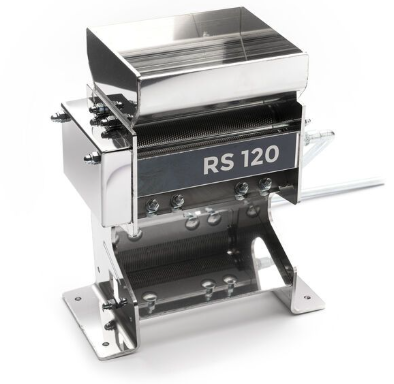
The tobacco cutting machines described by Shishapack use solid stainless-steel construction. Stainless steel offers useful characteristics for processing environments, including durability, corrosion resistance, and easier cleaning.
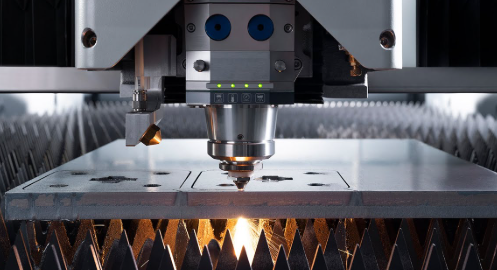
The cutting blades are another important part of the machine. Hardened steel or tungsten carbide blades can be used, with optional titanium or ceramic coatings designed to improve sharpness and wear resistance. Durable blades can help maintain consistent cutting performance while reducing the frequency of blade replacement.
Simple Control and Operation
Modern processing equipment should not only perform efficiently but also be practical for operators. A user-friendly control system can make it easier to monitor and adjust machine functions.
Shishapack’s cutting equipment includes a PLC interface with a touchscreen and multiple-language support. Such controls can help operators manage production settings and monitor machine operation from a centralized interface.
A straightforward control system can also make training easier and reduce the complexity of everyday machine operation.
Safety Features for Production Environments
Safety is another important consideration when working with industrial cutting equipment. Moving blades and mechanical components require appropriate protective measures to help reduce operational risks.
The machine design includes protective guards around moving parts, an emergency stop function, and sensor systems that can detect conditions such as jams or overloads. These features are intended to support safer operation while helping protect the equipment from unexpected problems.
Easy Integration With Other Equipment
A cutting machine can become even more useful when integrated into a complete tobacco processing line. After tobacco is cut, the material can continue to subsequent stages such as mixing, flavoring, or other preparation processes.
Shishapack also indicates that its cutting machines can be linked with upstream and downstream equipment to support more automated production flows. Optional features such as dust extraction connections and noise-reduction insulation can provide additional flexibility for certain production environments.
Maintenance and Long-Term Performance
Regular maintenance is essential for keeping cutting equipment operating efficiently. Routine tasks can include inspecting the blades, cleaning the cutting area, checking lubrication systems, and maintaining electrical components.
Proper maintenance can help preserve cutting accuracy, reduce unexpected downtime, and extend the operational lifespan of the machine.
See also: Why Attack Surface Management Matters for Modern Businesses
Conclusion
A tobacco leaf cutting machine can significantly improve the organization and efficiency of tobacco processing. By automating repetitive cutting work, providing adjustable strip sizes, supporting consistent output, and integrating with other processing equipment, modern cutting machinery offers manufacturers greater control over production. With durable construction, reliable blades, user-friendly controls, and safety features, the right machine can become an important part of a modern tobacco processing operation.