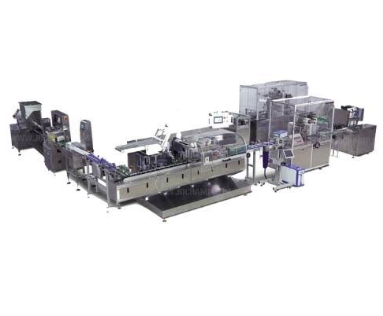
The shisha tobacco industry continues to evolve as manufacturers look for better ways to improve production efficiency and maintain consistent product quality. Investing in a reliable shisha machine can help businesses streamline filling operations, reduce manual work, and achieve more consistent packaging results. Automated filling equipment is particularly valuable for manufacturers handling sticky, moist tobacco blends that require careful measurement and controlled packaging.
The Importance of Automated Shisha Filling
Shisha tobacco typically contains molasses, glycerin, and flavoring ingredients, which give it a moist and sticky texture. These characteristics can make manual filling difficult and create challenges for conventional packaging equipment.
Automated filling machinery helps address these issues by controlling the quantity of tobacco dispensed into each container. A well-designed system can improve filling consistency, reduce material waste, and help manufacturers maintain a more organized production workflow.
For businesses managing growing order volumes, automation can also reduce repetitive manual tasks and allow employees to focus on quality checks, equipment monitoring, and other essential production activities.
Key Features of a Modern Shisha Machine
Modern filling equipment combines several features designed to support reliable production. The most suitable configuration depends on the manufacturer’s packaging requirements, product characteristics, and daily output targets.
1. Accurate Filling and Weighing
Consistent filling weights are important for product quality and customer satisfaction. Precision weighing systems help manufacturers control the amount of tobacco placed into each container. This can reduce overfilling, minimize product loss, and support consistent package weights.
Shishapack’s shisha tobacco filling equipment advertises filling accuracy within ±1%, although actual performance depends on the selected configuration and operating conditions.
2. Flexible Packaging Options
Different markets may require different container styles and sizes. A versatile filling system can accommodate packaging formats such as jars, cans, and glass bottles.
This flexibility allows manufacturers to serve different customer preferences without necessarily requiring a completely separate filling setup for every product format. Before purchasing equipment, businesses should confirm container dimensions, filling weights, and compatibility with their existing packaging materials.
3. Faster Production
Manual filling can become time-consuming as production demand increases. Automated equipment helps manufacturers process more containers with less repetitive handling.
Production speed varies according to the machine model, container size, tobacco formulation, and overall line configuration. Businesses should evaluate the expected output under their actual production conditions rather than relying on maximum advertised speeds alone.
4. Simple Operation and Flavor Changes
Manufacturers producing multiple shisha flavors need equipment that supports efficient product changeovers. Accessible controls and a straightforward operating interface can make daily production easier to manage.
Cleaning procedures and changeover times are also important considerations, especially when switching between different flavors. Proper cleaning helps reduce unwanted flavor transfer and supports consistent product quality.
Benefits for Shisha Tobacco Manufacturers
A suitable automated filling system can provide several operational advantages. First, it helps standardize filling procedures and reduce dependence on manual labor. Second, controlled dosing can help limit product waste and improve the use of raw materials.
Automation can also support more predictable production planning. When filling and packaging operations work efficiently together, businesses may find it easier to manage orders, maintain inventory, and meet delivery schedules.
However, the overall benefit depends on factors such as equipment cost, maintenance requirements, operator training, and production volume. Manufacturers should compare these factors before deciding which machine best fits their needs.
Choosing the Right Equipment
Selecting a shisha machine requires more than comparing prices. Buyers should consider the type and moisture level of their tobacco, required package weights, preferred container formats, production capacity, and available factory space.
It is also worth checking whether the equipment can integrate with existing conveyors, capping systems, sealing units, and labeling machinery. Technical support, spare parts availability, installation guidance, and warranty coverage should be included in the evaluation.
Working with an experienced equipment supplier can help manufacturers identify a configuration that matches their production goals and allows room for future expansion.
See also: Why Attack Surface Management Matters for Modern Businesses
Conclusion
Automation is becoming an important consideration for shisha tobacco manufacturers seeking consistent filling, efficient packaging, and improved production management. A suitable shisha machine can help reduce repetitive work, control filling quantities, and accommodate different packaging formats.
By evaluating product requirements, machine capabilities, long-term operating costs, and after-sales support, businesses can make a more informed investment and build a packaging process that supports sustainable growth.