Modern industries depend on accurately manufactured metal components to ensure product quality, operational efficiency, and reliable performance. Choosing the right stamping parts manufacturer is an important step for businesses that need customized metal parts for electrical equipment, automotive systems, consumer electronics, and industrial machinery. An experienced manufacturer can help transform technical designs into consistent components through suitable materials, precision tooling, and controlled production processes.
What Does a Stamping Parts Manufacturer Do?
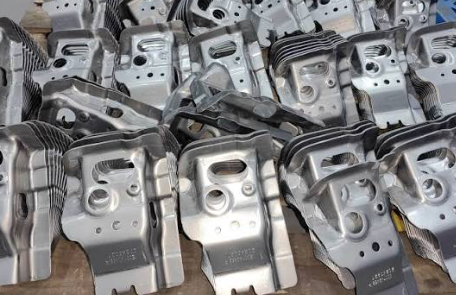
A stamping parts manufacturer produces metal components by using specialized presses and dies to cut, bend, punch, or form metal sheets into specific shapes. Depending on the design, the process can create simple brackets, electrical terminals, connectors, clips, and complex components with multiple features.
The manufacturing process typically begins with reviewing technical drawings, material specifications, dimensional tolerances, and order quantities. Engineers then determine the appropriate material, tooling design, and production method.
For high-volume projects, precision stamping can support repeatable production and help maintain consistent dimensions. Depending on the component’s requirements, additional processes such as deburring, cleaning, machining, or surface finishing may also be necessary.
Benefits of Precision Metal Stamping
Metal stamping offers several advantages for businesses that require reliable components in consistent quantities.
High production efficiency: Once the tooling is developed and validated, stamping can produce large quantities of parts efficiently.
Dimensional consistency: Properly designed dies and controlled production conditions help maintain repeatable component dimensions.
Material versatility: Manufacturers can work with different metals and alloys according to the required strength, conductivity, formability, and corrosion resistance.
Design flexibility: Stamping can create holes, bends, cutouts, and other detailed features for specialized applications.
Cost control: Efficient material utilization and repeatable production can help manage costs, particularly for larger orders.
The actual benefits depend on the component design, material selection, tooling requirements, and production volume.
Why Copper and Brass Stamping Parts Matter
Copper and copper-based alloys are widely used in applications where electrical conductivity, formability, or thermal performance is important. Brass, an alloy primarily composed of copper and zinc, can also offer useful machinability and corrosion resistance.
Stamped copper and brass components may include electrical contacts, terminals, connectors, conductive parts, and specialized fittings. These components often require accurate dimensions to fit properly into larger assemblies.
Selecting the correct alloy is essential because different materials have different mechanical and electrical properties. A suitable manufacturer can review project specifications and help identify a practical material and manufacturing approach.
Applications Across Multiple Industries
Stamped metal components support a wide range of sectors.
- Automotive: Terminals, connectors, brackets, and specialized electrical components.
- Electronics: Contact parts, conductive elements, clips, and compact device components.
- Industrial equipment: Mounting parts, fittings, and customized mechanical components.
- Electrical systems: Conductive terminals and connection components designed for specific operating requirements.
- Consumer products: Small metal parts used in hardware, appliances, and electronic assemblies.
Each application has different requirements, making material selection, tooling accuracy, and quality assurance important throughout production.
How to Choose the Right Manufacturing Partner
When comparing manufacturers, businesses should evaluate material expertise, tooling capabilities, production capacity, and inspection procedures. Experience with customized components and different metal alloys can also be valuable.
Before requesting a quotation, prepare technical drawings, material specifications, tolerances, surface-finish requirements, and estimated order quantities. These details help the manufacturer evaluate feasibility and provide a more accurate proposal.
It is also worth asking about prototype samples, production lead times, defect prevention, and final inspection. Approving samples before mass production can help identify potential issues early and reduce unnecessary rework.
See also: Why Attack Surface Management Matters for Modern Businesses
Explore Metal Stamping Solutions at HSK Precision
Businesses looking for copper and copper-alloy components can explore HSK Precision’s copper product category to learn more about its available product offerings.
By combining appropriate material selection, precision tooling, and consistent quality control, a capable stamping parts manufacturer can help businesses produce reliable metal components that meet project specifications and support long-term manufacturing goals.