Effective hand hygiene depends not only on using quality soap but also on making that soap easily accessible. A well-designed manual hand soap dispenser can provide a simple, dependable solution for offices, hotels, healthcare facilities, restaurants, schools, and other shared environments. Unlike powered alternatives, manual dispensers use a straightforward push mechanism, making them practical for locations that value easy operation, low maintenance, and dependable daily performance.
Simple Operation for Everyday Use
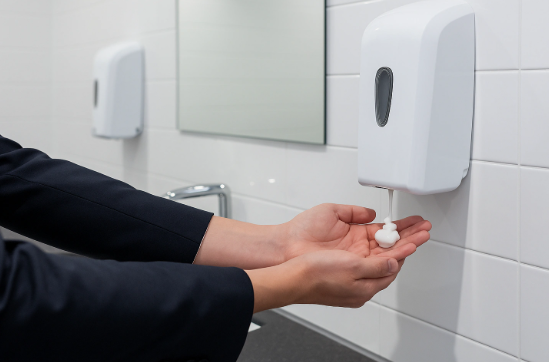
One of the main advantages of a manual hand soap dispenser is its uncomplicated operation. Users activate the dispenser by pressing the mechanism, allowing an appropriate amount of soap to be released. Because the system does not depend on batteries or electrical power, facility managers do not need to monitor battery levels or deal with electronic components.
This simplicity can be particularly useful in offices, restaurants, warehouses, schools, and commercial facilities where consistent access to hand soap is more important than advanced dispensing technology. CDWK describes manual dispensers as cost-effective, easy to install, and relatively low-maintenance solutions for commercial environments.
Selecting the Right Soap Compatibility
Different facilities have different hand hygiene requirements. Some may prefer conventional liquid hand soap, while others may use foam formulations or sanitizing solutions. Therefore, checking dispenser compatibility before purchasing is important.
CDWK’s soap dispenser range supports liquid, foam, and spray dispensing options, depending on the model and pump configuration. This flexibility allows businesses to select equipment according to their preferred cleaning products and operating requirements.
For example, liquid soap can be suitable for general restroom applications, while foam can help provide an efficient dispensing experience. Spray configurations may be useful for certain sanitizing products. Choosing the correct dispensing system can improve usability while helping staff maintain a consistent hygiene routine.
Durable Construction for Commercial Environments
Commercial restroom equipment must withstand repeated daily use. A dispenser installed in a busy facility may be pressed hundreds or thousands of times over its service life, so construction quality is an important consideration.
CDWK uses durable ABS material across many of its dispenser products. ABS is lightweight and impact-resistant, making it suitable for environments where equipment needs to tolerate regular handling. Durable construction can also help reduce the need for frequent replacement and support more predictable maintenance costs.
When comparing products, buyers should therefore consider more than appearance. Housing strength, pump reliability, refill access, and resistance to everyday wear can all influence long-term value.
Capacity and Refill Management
Refilling frequency is another important factor in commercial restroom management. A small dispenser may require frequent attention in a busy location, increasing the workload for cleaning and maintenance teams.
Larger-capacity designs can reduce the number of refills required between service visits. CDWK highlights large-capacity options and visible soap-level windows as useful features for commercial applications. A transparent viewing area allows staff to see when the soap supply is getting low without repeatedly opening the dispenser.
This simple feature can make routine facility management more efficient. Staff can include soap-level checks in their cleaning schedules and refill units before they become empty.
Wall-Mounted Designs Save Space
Restroom space is often limited, particularly in compact commercial bathrooms. Wall-mounted dispensers can help keep countertops and sinks clear while creating a consistent location for handwashing supplies.
A well-positioned wall-mounted unit also makes the dispenser easy for users to identify. CDWK offers wall-mounted solutions designed for commercial and public restroom environments, supporting applications ranging from hotels and offices to hospitals, schools, airports, and shopping facilities.
Proper installation height and positioning should also be considered so the dispenser is convenient for a wide range of users.
Customization for Commercial Brands
Businesses purchasing dispensers in larger quantities may also want equipment that matches their branding or facility design. Customization can include product size, color, operation mode, and logo printing. CDWK also provides OEM, ODM, and OBM cooperation options for different commercial requirements.
This makes manual dispensers more than basic restroom accessories. They can become part of a coordinated hygiene system that reflects a company’s visual identity and operational standards.
See also: Why Attack Surface Management Matters for Modern Businesses
A Practical Choice for Long-Term Hygiene Management
Choosing the right dispenser can influence user convenience, maintenance efficiency, and the overall organization of a restroom. A manual hand soap dispenser offers an appealing combination of straightforward operation, durable construction, flexible dispensing options, and easy monitoring.
For businesses seeking a dependable solution without relying on batteries or electronic controls, manual dispensing technology remains highly practical. By evaluating capacity, material quality, soap compatibility, installation style, and maintenance requirements, facility managers can select a dispenser that supports reliable hygiene every day.