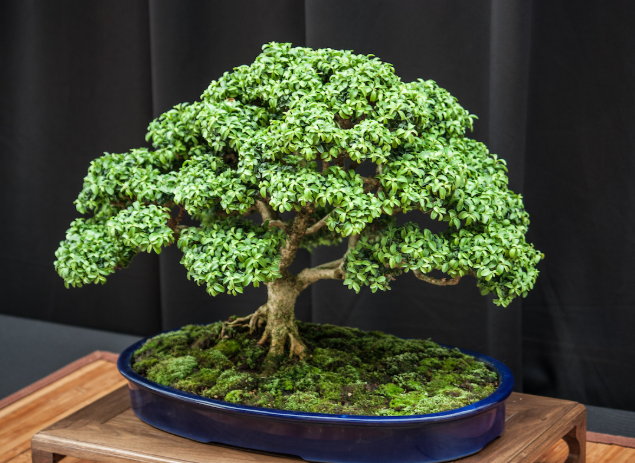
Landscape design becomes more memorable when a property has a distinctive natural feature that visitors can immediately recognize. A large ficus bonsai tree can provide that defining element through its impressive scale, sculpted canopy, exposed aerial roots, and evergreen foliage. Wulala Garden’s approximately 4.5-meter Ficus microcarpa is cultivated and trained for large outdoor landscapes, offering a combination of natural growth and deliberate bonsai artistry.
Combining Nature With Landscape Art
Traditional landscape trees generally contribute shade, greenery, or seasonal interest. A professionally trained Ficus bonsai can do much more because its structure is intentionally developed over time. The trunk, roots, and branches work together to create a tree that looks almost like a piece of living sculpture.
According to Wulala Garden, its large Ficus bonsai trees are carefully pruned and trained by bonsai experts to develop multi-tiered canopies while maintaining strong and healthy growth. The aerial roots grow above the soil and eventually contribute to the substantial trunk formation associated with Ficus microcarpa.
This developed structure can give a newly planned landscape an established appearance from the beginning.
A Strong Feature for Modern Garden Design
Contemporary outdoor spaces often favor simplicity. Rather than filling a garden with numerous decorative plants, designers may choose a few carefully selected elements and allow each one to make a stronger visual contribution.
A large Ficus bonsai fits naturally into this approach. Its approximately 4.5-meter height gives it a commanding presence, while its layered canopy adds dimension without requiring excessive decoration. The multi-root structure also provides an organic contrast to modern architectural materials such as stone, concrete, glass, and metal.
In a spacious courtyard, for example, the tree can become the central feature while surrounding plants remain deliberately low and understated.
Making Luxury Entrances More Memorable
The entrance of a property sets the tone for the spaces that follow. Hotels, resorts, private estates, and commercial properties often invest heavily in entrance landscaping because it is one of the first areas guests and customers encounter.
A large Ficus bonsai can work particularly well in this setting. Its strong trunk and layered canopy can create a natural landmark near a driveway, reception entrance, pedestrian pathway, or main courtyard.
Wulala Garden lists luxury villas, private courtyards, elegant entrances, resorts, golf courses, and other upscale environments among the applications for this type of Ficus bonsai.
Evergreen Appeal for Year-Round Landscapes
Another important advantage is the tree’s evergreen foliage. The product description highlights dense, glossy leaves that maintain a fresh green appearance throughout the year when growing conditions are appropriate.
This characteristic can be especially useful for hospitality and commercial landscapes that need to maintain a polished appearance in every season. Instead of depending entirely on flowering periods or seasonal foliage changes, an evergreen Ficus can provide a reliable foundation for the landscape’s visual identity.
It can also be paired with flowering plants, ornamental grasses, stone features, or groundcovers that provide seasonal variation around the permanent structure of the tree.
Designing Around the Aerial Roots
The aerial roots are arguably one of the most distinctive characteristics of this Ficus. Their unusual appearance gives the lower portion of the tree additional texture and makes the trunk more visually complex.
Landscape designers should therefore consider how the root structure will be viewed after planting. Leaving adequate space around the base can allow visitors to appreciate the roots rather than concealing them beneath dense vegetation.
Decorative stone, low groundcover, or an open planting bed can frame the root structure while keeping the tree visually dominant.
Providing the Right Growing Conditions
Good landscape planning should consider environmental requirements before installation. Wulala Garden recommends full sun for this particular Ficus, with at least six hours of direct sunlight each day. The product information identifies 18–35°C as the optimal growth range and indicates suitability for tropical and subtropical environments.
Watering requirements also change as the tree becomes established. During the first month after transplantation, the guidance recommends watering every two to three days while avoiding waterlogged soil. Once new growth indicates establishment, watering can be adjusted according to season and soil moisture.
See also: Why Attack Surface Management Matters for Modern Businesses
Preserving the Landscape Vision
A mature bonsai specimen is not simply installed and forgotten. Regular observation and occasional pruning help preserve the balance between the canopy, trunk, and surrounding landscape.
Wulala Garden also states that its expert growers can customize canopy shapes according to specific landscape requirements. This flexibility can be useful for projects where the tree must complement a building, pathway, entrance, or predefined garden layout.
Ultimately, a large Ficus bonsai tree can become much more than an ornamental planting. Its scale, aerial-root formation, evergreen canopy, and carefully trained structure allow it to serve as a lasting visual anchor. For luxury residences, resorts, public gardens, golf courses, and commercial landscapes, selecting such a distinctive specimen can transform an ordinary outdoor area into a space with stronger character, balance, and visual identity.