DIY plumbing pits hands-on learning and cost savings against the risk of hidden damage and code issues. A professional offers systematic diagnosis, durable results, and documented standards. The choice depends on risk, skill, time, and budget, with upfront costs weighed against safety and long-term reliability. The balance is not simple, and the right call hinges on how much value is placed on certainty and maintenance needs. There’s more to weigh before deciding how to proceed.
What DIY vs Pros Really Mean for Your Home
DIY plumbing and professional services serve distinct roles in home maintenance. The piece examines what each approach delivers: DIY outcomes reflect personal agency and hands-on learning, while professional reliability guarantees standardized results and compliance with codes. The contrast highlights decision factors: risk, skill, time, and budget. Clarity emerges when expectations align with capabilities, fostering informed choices and sustainable home performance.
When a Leak or Clog Is DIY-Safe to Tackle
When deciding between DIY approaches and professional service, it is important to map not only capability but also risk and scope.
Certain situations are DIY safe, allowing careful inspection, basic clog clearing, and minor leaks with proper tools. Caution remains essential: avoid pressure, power, or gas line work.
If unresolved, consult a licensed professional to prevent damage or safety hazards. leak clog.
What a Licensed Plumber Brings to the Table
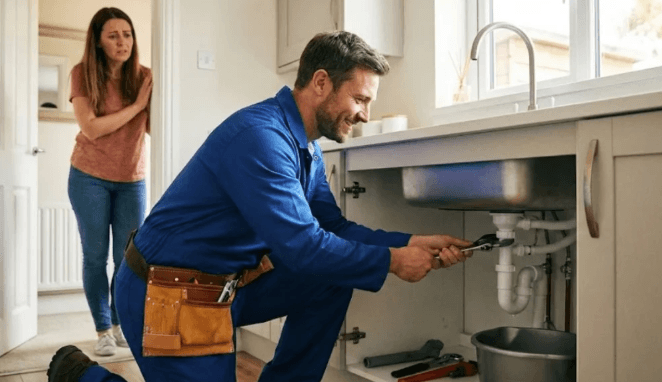
A licensed plumber brings formal training, licensed credentials, and hands-on experience that translate into reliable diagnosis and durable solutions. The professional approaches complex systems with methodical assessment, code-compliant fixes, and predictable timelines, prioritizing long term reliability.
By interpreting diagrams, testing pressure, and validating vents, a licensed plumber mitigates risk and ensures compliance.
with disciplined precision, supports autonomous decision-making and lasting confidence.
See also: Technology Reducing Environmental Impact
A Practical Decision Framework: Cost, Safety, and Long-Term Reliability
A practical decision framework for home plumbing weighs cost, safety, and long-term reliability in a structured manner: upfront expenses, potential hazards, and durable outcomes.
The analysis centers on cost comparison and safety considerations, balancing initial investment with reliability, maintenance demands, and risk reduction.
Informed decisions emerge from objective criteria, documented standards, and professional guidance, ensuring compliant, sustainable results without unnecessary overspending or hazards.
Conclusion
In the end, coincidence favors prudence: a homeowner who stumbles on a DIY fix and a hidden leak at the same moment discovers the value of professional insight. The spark of hands-on learning meets the certainty of licensed expertise, aligning cost, safety, and durability. When risks align with skills, timing, and budget, the prudent choice becomes clear—balance initiative with professional judgment to ensure a leak-free, compliant, long-lasting system.